Uncovering Common Home Inspection Issues in Greenville SC
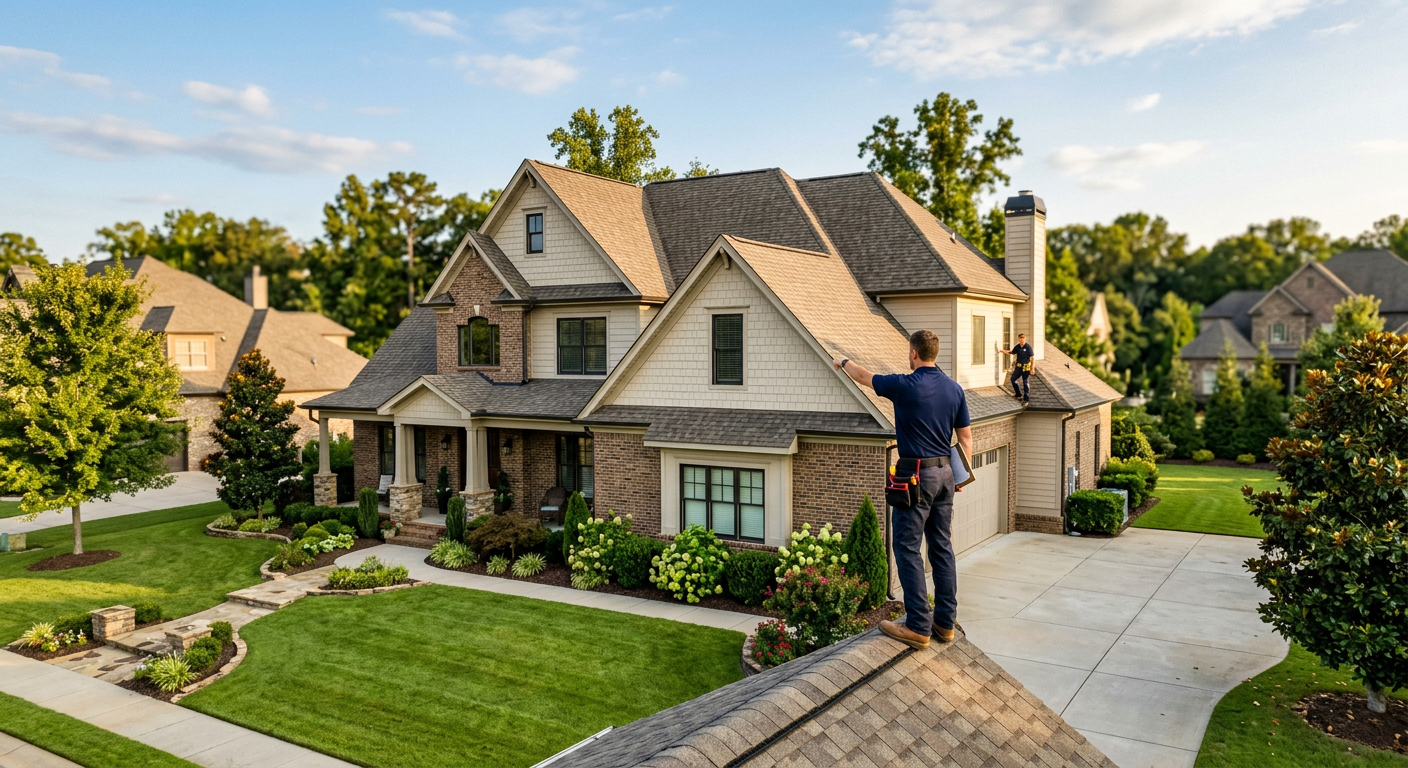
As your trusted Upstate SC Realtor, I've guided countless buyers through the home buying process. One of the most crucial steps is, without a doubt, the home inspection. It's not just a formality; it's your chance to get a deep dive into the health of your potential new home, whether it's a charming bungalow in Downtown Greenville or a spacious family home in Five Forks.
The Unsung Heroes: Common Inspection Findings in Upstate SC Homes
When that inspector's report lands in your inbox, it can feel like a pop quiz on construction. But don't fret! Many issues are common, especially in a region like ours with varied weather patterns and a mix of older and newer housing stock. From the historic homes near Main Street in Greenville to the newer builds springing up around Fountain Inn, there are a few recurring themes we often see.
Let's talk foundations first. We've got clay soils throughout much of the Upstate, and while strong, they can shift with extreme wet and dry cycles. This sometimes leads to minor hairline cracks in foundations or brick veneer, especially in homes built before modern grading techniques were standard. While some cracks are cosmetic, others can indicate more significant structural movement. For example, in a beautiful older home in the Augusta Road area, a buyer might see some foundation issues more frequently than in a 5-year-old house in the Neely Farm subdivision.
Next, HVAC systems. Our Upstate summers are no joke, and a well-functioning HVAC unit is paramount. Inspectors often flag older units (typically 10+ years), units with insufficient maintenance, or those showing signs of wear and tear. I've seen units that are 15-20 years old in perfectly good working order, but their lifespan is usually closer to 15 years. Similarly, water heaters have a typical lifespan of 10-12 years. If you're looking at a home in Travelers Rest, and the unit is nearing the end of its life, that's definitely something to note.
Deciphering the Report: From Minor Fixes to Major Concerns
Once you have that inspection report, it’s dissection time. Not every item on the report requires a full-scale panic. Some items are quick fixes, while others demand more serious attention. Understanding the difference is key to a smooth negotiation.
Here’s a breakdown of what we commonly see, and how I help my clients triage the findings:
- Minor Electrical Issues: Things like un-grounded outlets in older homes, missing GFCI outlets in bathrooms/kitchens, or improperly secured junction boxes. These are often easy fixes for an electrician, costing a few hundred dollars.
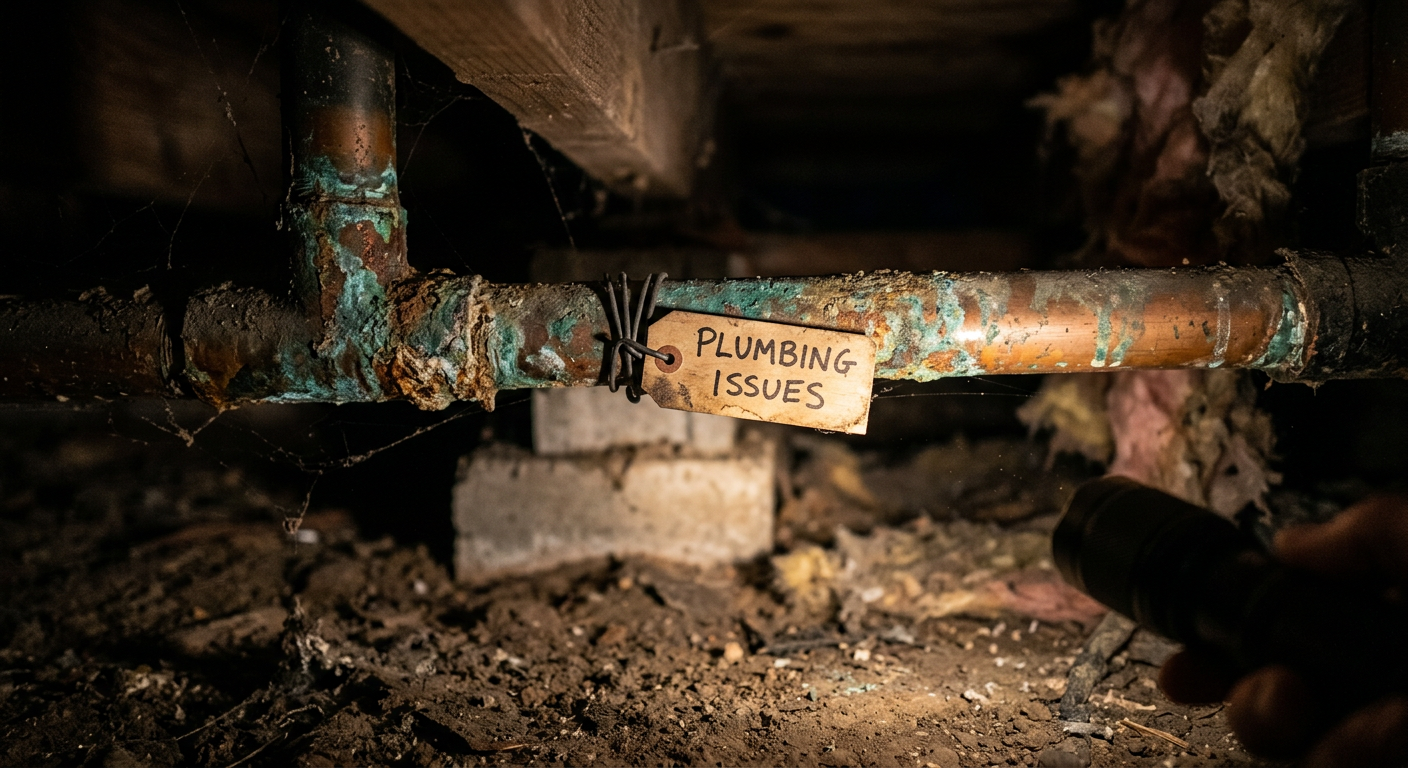
- Plumbing Predicaments: Slow drains, leaky faucets, or older galvanized piping. A dripping faucet might just need a new washer, but an entire home with outdated plumbing, especially in a home built in the 1960s or 70s near Paris Mountain, could be a bigger undertaking.
- Roofing Woes: Missing or damaged shingles, worn flashing, or limited remaining lifespan on an asphalt shingle roof (typically 20-30 years for a decent architectural shingle). A few missing shingles won't break the bank, but a roof with 2-3 years left often warrants discussion.
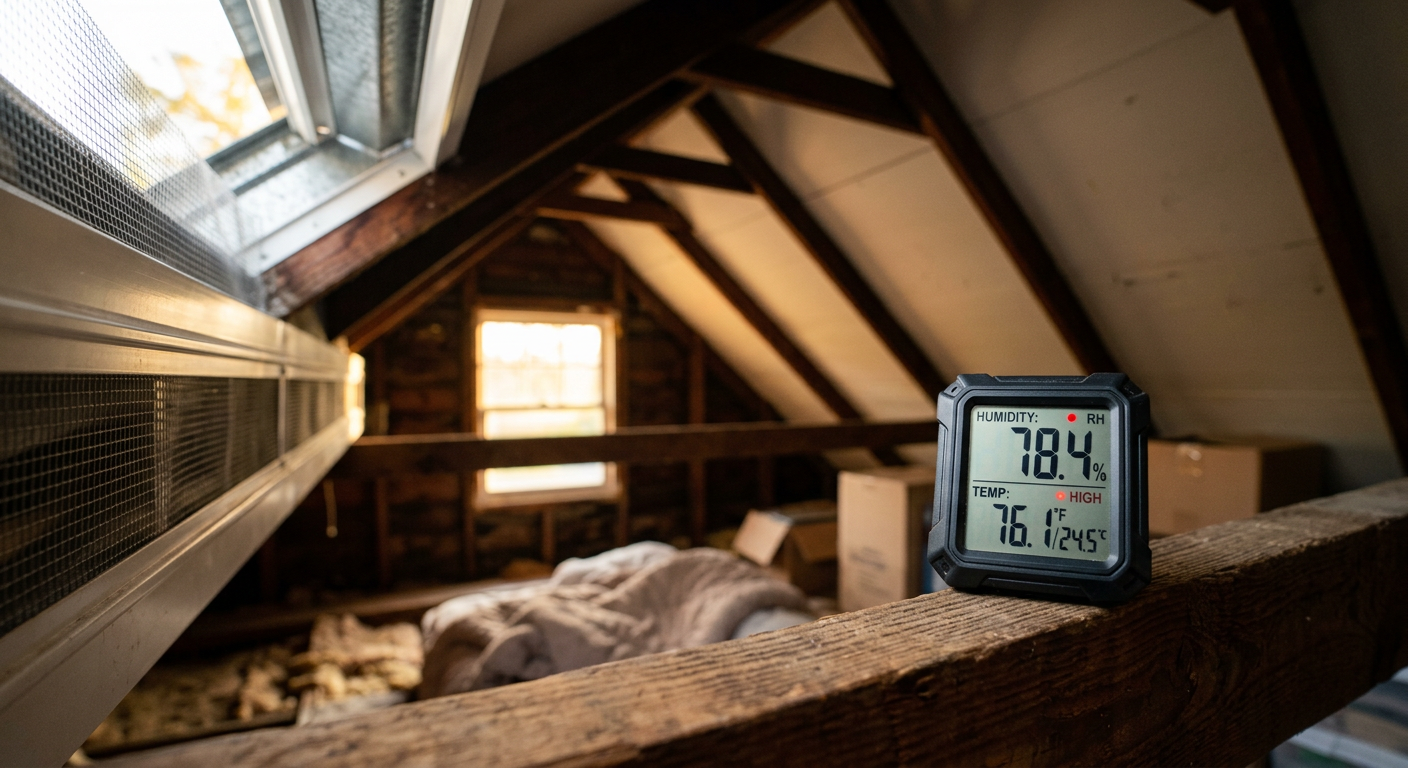
- Water Intrusion/Moisture: This is a big one. Signs of active leaks, past water damage, or excessive moisture in crawl spaces (common in our humid climate) can lead to mold and structural damage. I recently had a client looking at a home in Mauldin where the crawl space had a high moisture reading, prompting us to ask for a professional dehumidifier system and vapor barrier installation.
- Exterior Drainage Concerns: Improper grading around foundations can direct water towards the house rather than away, potentially leading to foundation or crawl space issues. This is especially important for homes built on sloping lots, like many you'd find near the Blue Ridge Foothills.
- HVAC System Performance: Beyond age, we look for proper functioning, adequate airflow, and signs of disrepair. A unit that isn't cooling properly in July in Simpsonville is a significant concern!
The Art of Negotiation: Getting Your Best Deal in the Upstate SC Market
Alright, you've got the report, and you know what's minor and what's major. Now comes the negotiation. In our current Upstate SC market, which has still been competitive despite rising mortgage rates (hovering around 6.5-7% recently for a 30-year fixed, though always fluctuating!), a strategic approach is essential.
First, focus on safety issues and major structural deficiencies. These are non-negotiables for most buyers. Think active roof leaks, significant electrical hazards, structural foundation concerns, or an HVAC system that simply doesn't work. These are typically repair items, or a credit towards a repair, that sellers are more inclined to address. For instance, if you're looking at a home in Chanticleer and the electrical panel is outdated, that's a safety concern a seller would likely want to fix.
Second, consider large ticket items that impact the long-term value or immediate livability. An aging roof with 3 years of life left, a water heater beyond its expected lifespan, or a failing HVAC system fall into this category. Here, you might negotiate for a credit at closing, allowing you to choose your own contractor and materials after you move in. This can be more appealing to sellers than coordinating repairs themselves.
Minor cosmetic issues or maintenance items, like a loose railing, a missing light fixture, or a slightly cracked pane of glass, are typically not worth negotiating unless the report is otherwise pristine. In a seller's market, over-negotiating these smaller items can sometimes jeopardize the deal, especially if there are other backup offers. Remember, as of recent data, homes in Greenville are still spending an average of only about 30-40 days on market, indicating a still strong demand.
Finally, my role as your Realtor is to craft that repair request document. We'll present it clearly, backed by contractor estimates if possible, and with a reasonable timeframe. I've helped clients successfully negotiate everything from full roof replacements near GSP airport to foundation stabilization in more established subdivisions like Chanticleer. We always aim for a win-win, ensuring you're getting a sound home and the seller feels their home is being fairly evaluated. Commute times, school districts, and proximity to amenities like the Swamp Rabbit Trail might influence how much a buyer is willing to concede on smaller items, but major issues are always priority!
Your Upstate SC Home Journey Starts with Clarity
Understanding home inspection findings and how to negotiate repairs is a critical part of buying a home in the Upstate. Don't go it alone! Our market, from the bustling streets of Downtown Greenville to the peaceful shores of Lake Hartwell, is dynamic. Having an experienced guide like me in your corner ensures you make informed decisions every step of the way, leading you to a home you'll love for years to come.
Ready to find your perfect Upstate SC home with confidence? Call or text me, Trevor Watson, at 864-630-0709, or visit https://watsonknowshomes.com. Let's make your home buying journey smooth and stress-free.