Historic Homes in Greenville SC: 2026 Buyer Market Guide
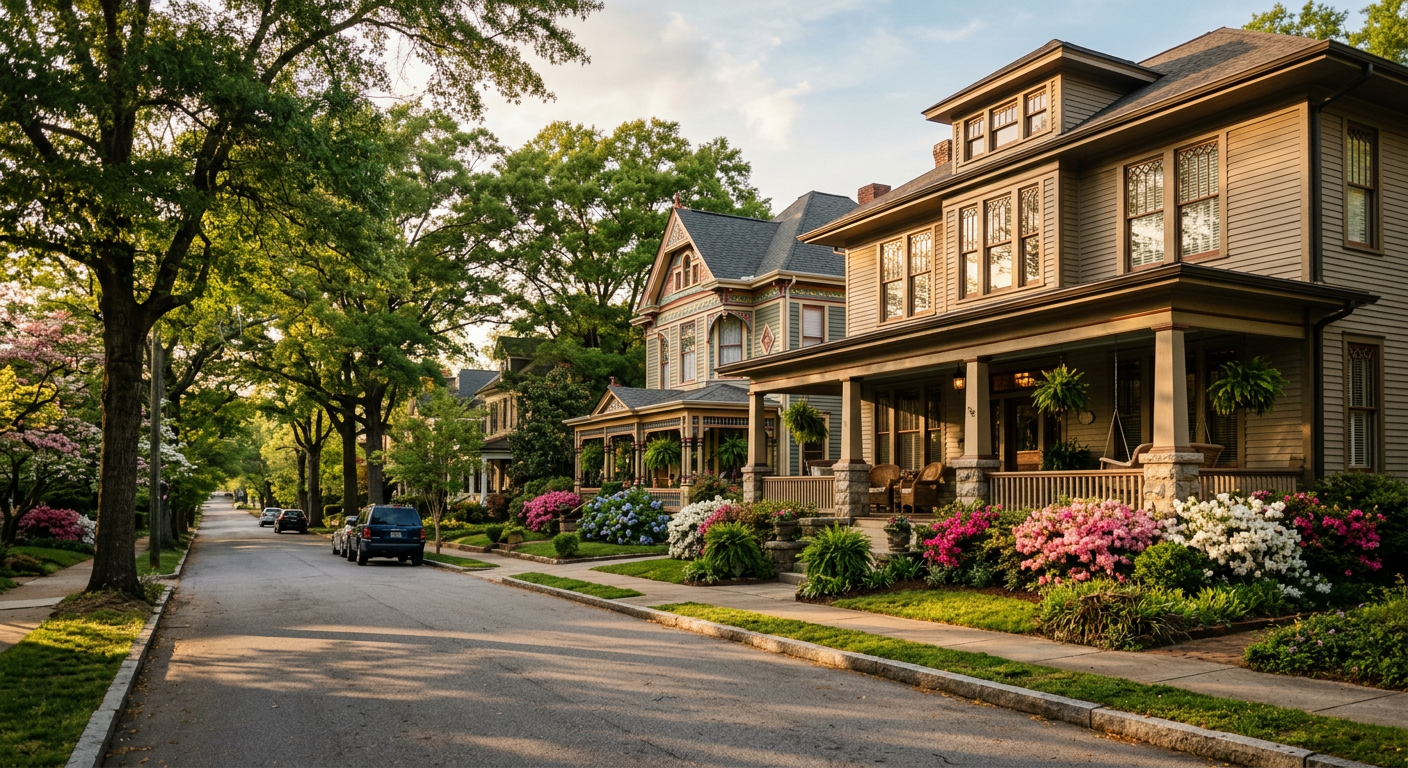
There is something undeniably magnetic about stepping onto the wide front porch of a century-old home just minutes from Main Street. In a fast-growing Upstate market where modern developments expand across Simpsonville and Five Forks daily, Greenville’s historic districts offer irreplaceable architecture and timeless neighborhood character.
Buying an older home requires equal parts appreciation for classic craft and practical market acumen. Today, we are walking through the real numbers, architectural nuances, and essential considerations for owning a slice of Greenville history in 2026.
The Allure and Realities of Upstate Historic Real Estate
Greenville’s downtown renaissance didn't happen overnight, and neither did the preservation of its most iconic residential enclaves. Over the past decade, demand for properties within walking distance of Falls Park on the Reedy and the Swamp Rabbit Trail has propelled historic neighborhood values to record highs. While new construction in suburban hubs like Fountain Inn or Mauldin provides turnkey convenience, historic neighborhoods offer 10-foot ceilings, heart-pine floors, hand-laid masonry, and expansive lot canopy that cannot be replicated.
Across Greenville County, home values vary depending on the specific neighborhood and property characteristics. However, when you step inside the boundaries of protected historic preservation districts, that baseline changes dramatically. Turnkey historic homes in neighborhoods immediately flanking the downtown core, including architecturally intact luxury restorations, draw interest for their architectural character. Pricing and condition have a significant effect on how quickly thoughtfully modernized historic listings sell.
Prospective buyers often arrive from Charlotte, Atlanta, or the Northeast with a romanticized vision of restoring an old southern home. While the lifestyle is second to none, historic ownership comes with structural realities you must understand before signing a contract. Foundation types throughout our older corridors typically consist of brick piers and crawl spaces rather than monolithic concrete slabs. Soil settlement across the Piedmont clay over 90 to 120 years requires careful engineering review during the due diligence period.
Key Financial and Structural Factors Every Historic Buyer Must Know
Financing and maintaining a home built between 1890 and 1940 is distinct from purchasing a tract home in a master-planned community. Today’s 30-year fixed mortgage rates, hovering between 6.35% and 6.65%, mean buyers must closely evaluate their long-term capital allocation for renovation versus debt service. Beyond your principal and interest payments, several unique historic factors impact your monthly bottom line and total equity growth.
Before making an offer on a historic property in Greenville, keep these critical items at the top of your review checklist:
- Historic Preservation Overlay Guidelines: Properties within designated City of Greenville Local Historic Districts fall under the purview of the Board of Architectural Review (BAR). Any exterior alterations, from paint colors and window replacements to roof pitch changes, require a Certificate of Appropriateness before work begins.
- Insurance Underwriting Requirements: Standard homeowners insurance carriers frequently scrutinize older electrical systems (such as active knob-and-tube wiring) and galvanized plumbing lines. Upstate insurance premiums on unrenovated older homes can run 25% to 40% higher until key mechanical systems are brought to modern standards.
- Energy Efficiency Upgrades: Original single-pane wavy glass windows add authentic charm, but they also impact HVAC efficiency during hot Upstate July afternoons. Balancing historic preservation standards with energy improvements like closed-cell crawl space encapsulation and dual-fuel heat pumps is essential for long-term comfort.
- Property Tax Valuations: South Carolina's 4% legal residence assessment ratio offers favorable tax rates compared to neighboring states. However, substantial permitted renovations can trigger county reassessments, making it vital to forecast your true post-renovation tax liability.
Navigating these moving parts is where specialized representation protects your wallet. You need an agent who knows the difference between cosmetic flipper updates and genuine, permitted historic restorations done by premier local craftsmen.
Top Historic Neighborhoods in Greenville: Where Character Meets Value
If you have decided that a historic residence matches your lifestyle, the next step is choosing the right enclave. Each of Greenville's established character neighborhoods delivers a distinct personality, walkability score, and price profile.
The Col. Elias Earle Historic District, nestled along the North Main corridor, remains one of the most coveted historic addresses in South Carolina. Anchored by North Earle Street and Rutherford Street, this district showcases breathtaking examples of Neoclassical, Colonial Revival, and Queen Anne architecture dating back to the early 1900s. Homes here provide convenient access to nearby destinations, delivering a brisk 12-minute stroll to the dining scene along Downtown Main Street and an easy 18-minute drive to GSP International Airport via I-385.
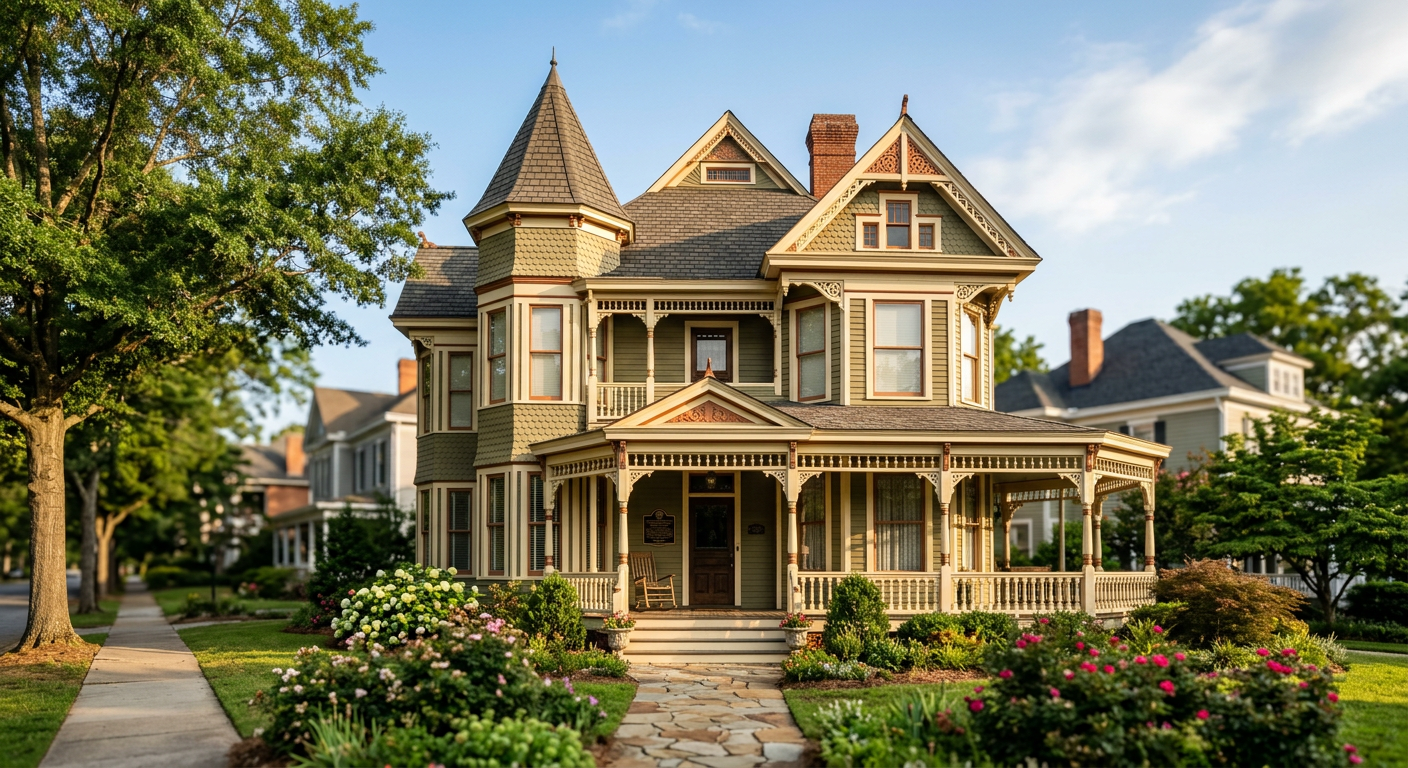
Just west of downtown sits the Hampton-Pinckney Historic District, Greenville’s oldest designated residential neighborhood. Defined by Pinckney Street and Butler Avenue, Hampton-Pinckney features ornate Victorian estates alongside charming vernacular cottages. Residents here enjoy direct connectivity to the Swamp Rabbit Trail and Unity Park, alongside a variety of renovated properties. Properties here trade infrequently, making speed and off-market networking essential for interested buyers.
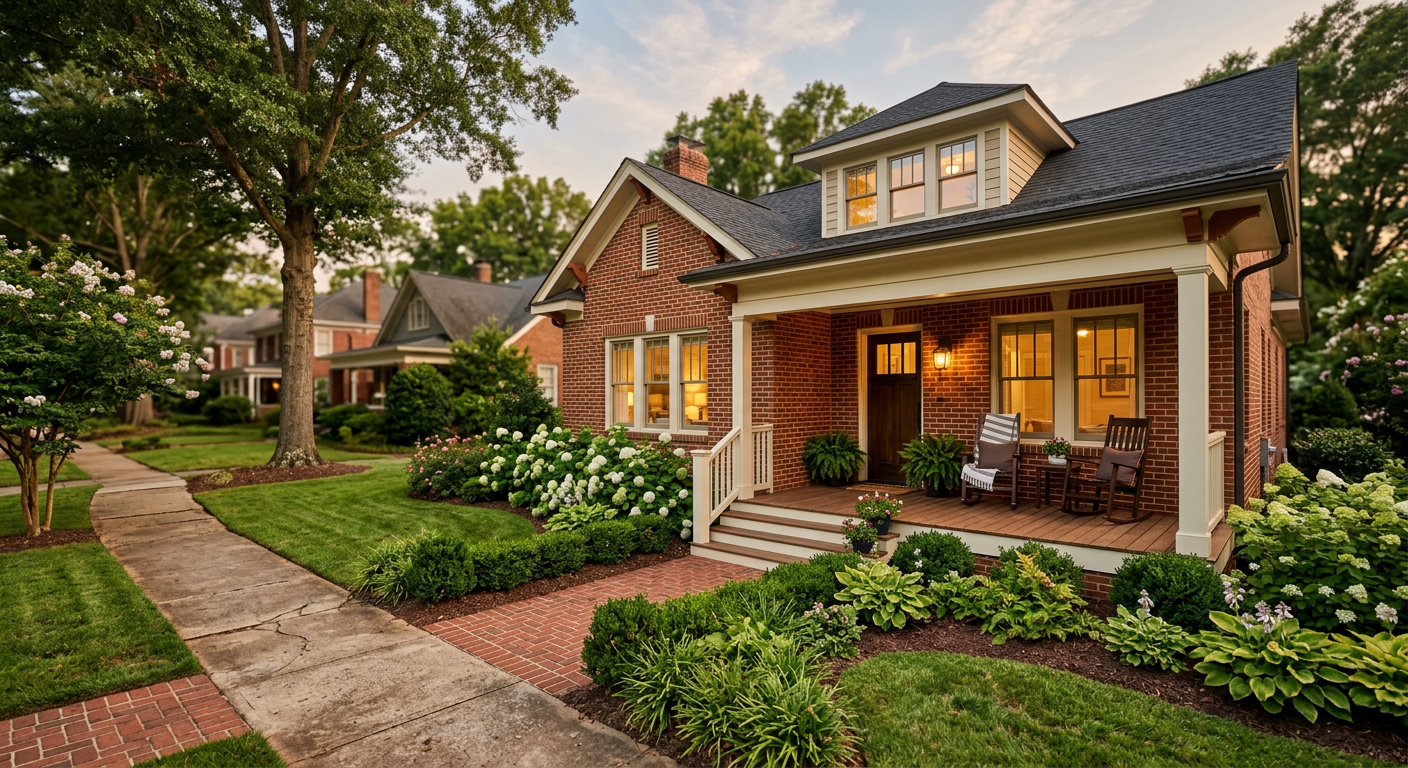
For buyers seeking vintage architecture at a more accessible entry point, the Overbrook Historic District on the east side provides exceptional value. Centered around Lowndes Hill Road and Overbrook Drive, this neighborhood was Greenville’s first suburban streetcar development in the 1910s and 1920s. Dominated by Craftsman bungalows with expansive front porches, Overbrook appeals to buyers interested in historic architecture. It offers an unbeatable 5-minute commute to downtown dining and rapid access to the commercial conveniences of Pelham Road.
Partner with a Local Historic Home Specialist
Acquiring a historic home in Greenville is more than a standard real estate transaction; it is an investment in Upstate heritage. When you combine vintage charm with strategic negotiation, an older home delivers outstanding long-term appreciation and an unmatched quality of life. The key is entering the transaction with clear eyes, precise structural evaluations, and trusted neighborhood data.
Whether you are hunting for a preserved Craftsman bungalow in Overbrook or considering listing your restored estate near North Main, our team provides the hyper-local insight and marketing horsepower to ensure your success. Call or text Trevor Watson directly at 864-630-0709 or visit https://watsonknowshomes.com to schedule your private consultation today.