West Greenville SC Real Estate: 2026 Arts District Market Guide
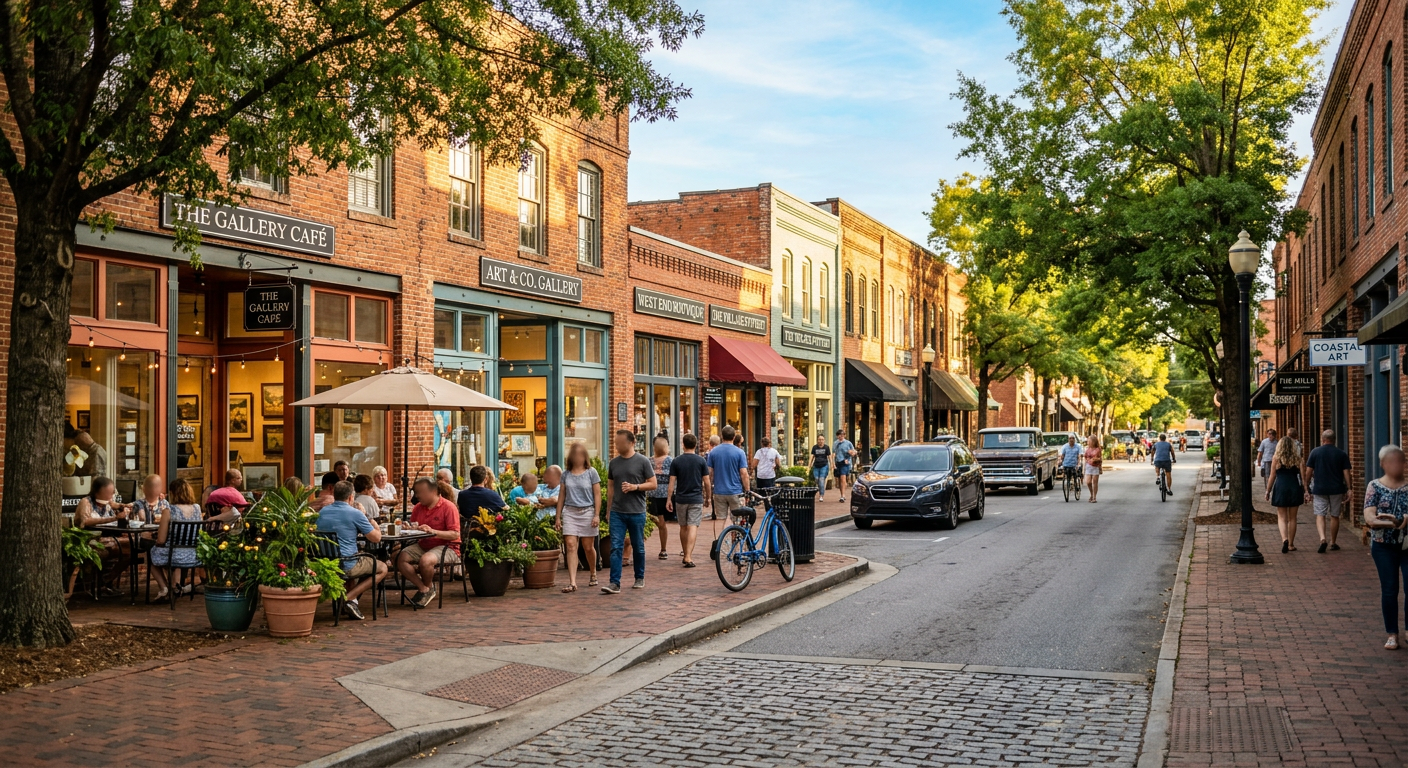
If you have spent an evening grabbing wood-fired sourdough pizza on Perry Avenue or browsing working art studios along Pendleton Street, you already know why West Greenville is one of the most talked-about pockets in the Upstate. Over the last decade, this once-quiet former textile corridor has evolved into an eclectic cultural hub anchored just over a mile from Downtown Main Street.
As a top-producing Realtor with RE/MAX Reach who monitors transactions across Greenville County daily, I am seeing sustained buyer demand here in 2026. Whether you are an investor looking for historic charm or a homebuyer craving urban walkability without downtown high-rise condo pricing, understanding West Greenville's current numbers is critical before making your move.
West Greenville SC Market Snapshot: 2026 Home Values and Velocity
The real estate climate across West Greenville has reached a fascinating stage of maturity this year. We are no longer talking about purely speculative buying; instead, we are seeing high-quality custom infill projects trading alongside thoughtfully updated historic mill cottages. Values for single-family homes in the greater West Greenville area vary by neighborhood, so buyers should review recent comparable sales.
Market velocity remains brisk for move-in-ready properties. Pricing and condition have a major effect on how quickly a home sells, whether it is move-in ready or in need of substantial repairs. Buyers are feeling more decisive as 30-year fixed mortgage rates have settled into the 6.25% to 6.5% range, freeing up purchasing power compared to prior peaks.
What sets West Greenville apart from nearby suburbs like Mauldin or Simpsonville is the land dynamic. While master-planned subdivisions in Five Forks trade on sprawling square footage and cul-de-sacs, West Greenville real estate values are driven by footprint density, historic character, and unmatched proximity to the urban core. You can park in your driveway and be walking across the Liberty Bridge in Falls Park within four minutes flat.
What Is Driving Homebuyer Demand Near the Village Arts District?
West Greenville's appeal is rooted in organic lifestyle amenities rather than corporate strip centers. Homebuyers migrating from larger metropolitan areas like Charlotte, Atlanta, and Austin often find that West Greenville reminds them of historic creative districts back home.
Several distinct factors are fueling appreciation and buyer competition across the neighborhood in 2026:
- Hyper-Convenient Commutes: A direct run down Pendleton Street or Academy Street puts you in Downtown Greenville in less than five minutes, while hopping onto I-85 or I-385 gets you to Greenville-Spartanburg International Airport (GSP) in under 20 minutes.
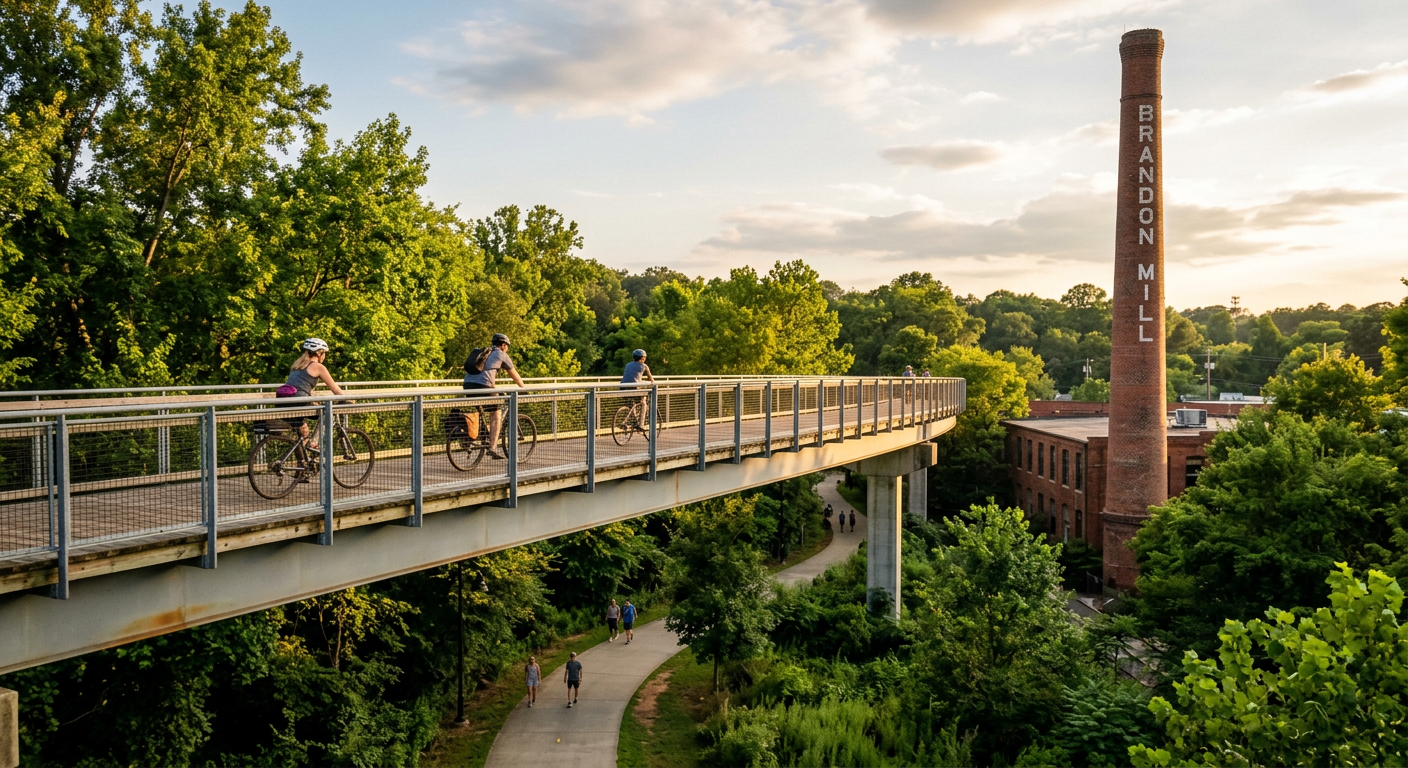
- The Swamp Rabbit Trail Connection: The expansion of dedicated multi-use spur trails linking West Greenville to the main Swamp Rabbit Trail network means residents can bike directly from their porch to Unity Park and Travelers Rest.
- Culinary and Cultural Density: Living within a ten-minute walk of anchor establishments like Coastal Crust, The Anchorage, and over thirty local artisan studios creates everyday lifestyle value that suburban subdivisions cannot duplicate.
- Zoning and Adaptive Reuse: The continued success of mixed-use developments like the historic Brandon Mill and the nearby Woodside Mill revitalization has preserved neighborhood history while introducing modern dining, craft beverages, and community gathering spaces.
For buyers balancing lifestyle and future equity, this combination creates resilient long-term holding power. Even during broader national market pauses, walkable Greenville neighborhoods with distinct architectural identities consistently hold their pricing.
Micro-Markets to Watch: Perry Avenue, Brandon, and City View
West Greenville is not a monolithic market; it is an interconnected tapestry of micro-neighborhoods, each possessing distinct price ceilings and architectural styles. Buyers often narrow their search based on specific blocks and long-term goals.
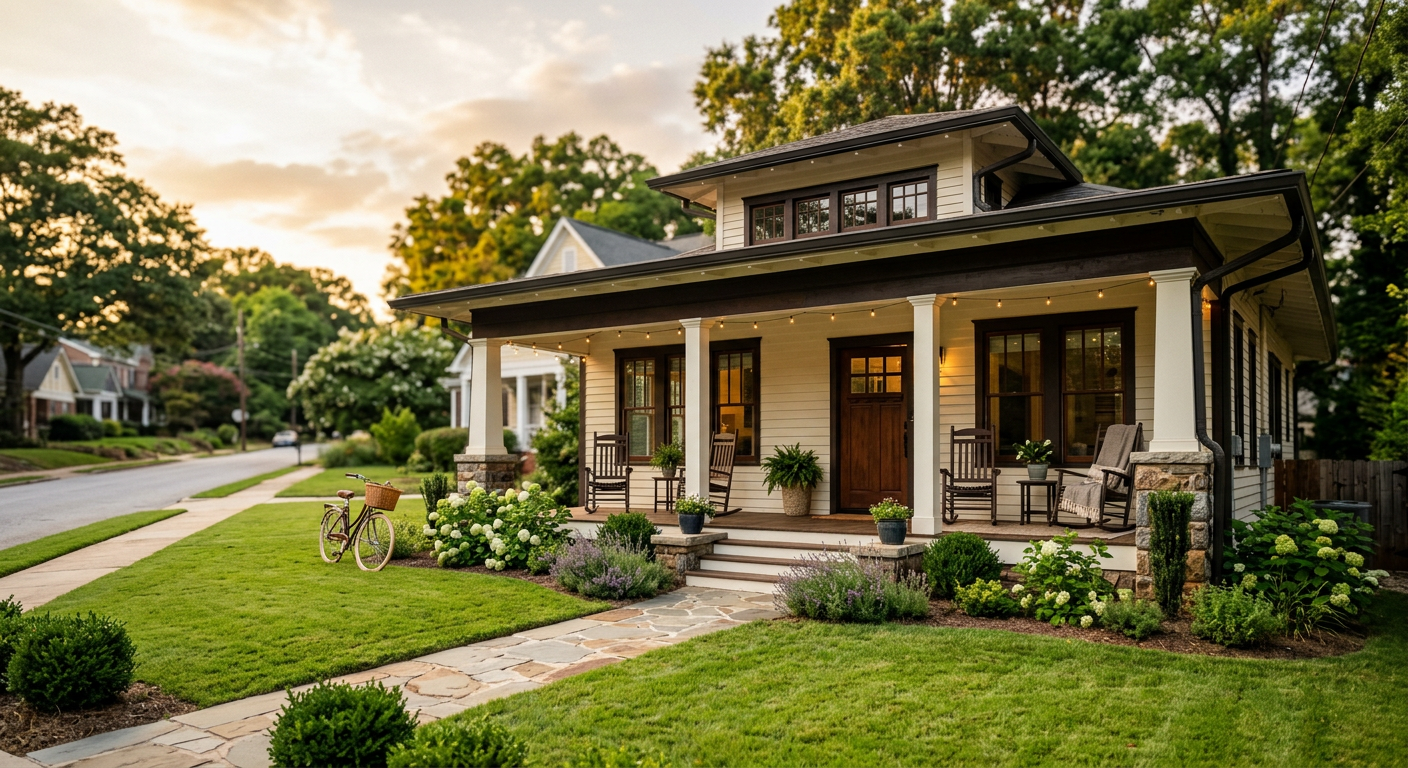
The heart of the Village of West Greenville revolves around Perry Avenue, Lois Avenue, and Pendleton Street. Here, buyers will find fully restored 1920s bungalows alongside luxury modern-craftsman infill builds. These properties feature chef-grade kitchens, restored pine heartwood flooring, and custom outdoor living setups tailored for weekend entertaining.
Just west, surrounding historic Brandon Mill along Draper Street and Brandon Avenue, you will find original mill worker cottages averaging 1,100 to 1,600 square feet. Many of these homes attract first-time buyers seeking close-in city living. Renovation standards here have surged, with investors and owner-occupants preserving classic rocking-chair front porches while modernizing foundation framing, HVAC systems, and architectural shingle roofs.
Slightly northwest toward City View and the borders of the historic Monaghan and Poe Mill redevelopment corridors, buyers can explore a variety of housing options. These pockets offer higher appreciation upside for buyers comfortable taking on cosmetic improvements. However, navigating these blocks requires an agent who understands Greenville County sewer easements, historic overlay guidelines, and block-by-block valuation variances.
Navigating Inspections and Older Home Realities
Buying an older home in West Greenville requires a different playbook than purchasing new construction in Fountain Inn or Greer. A classic 1930s mill home delivers incredible soul, but it also brings vintage crawl spaces, original pier-and-beam foundations, and older cast-iron plumbing lines.
Buyers are wise to budget for a comprehensive sewer scope and a specialized crawl space inspection alongside their standard home inspection. Ensuring that moisture barriers, subfloor joists, and electrical panels meet modern safety standards protects your investment and provides powerful leverage during repair negotiations.
On the listing side, if you already own a home in West Greenville, strategic preparation yields massive returns. Professional architectural photography, cinematic walkthrough tours, and targeted digital marketing make your property stand out to the high volume of out-of-state relocations shopping Greenville County inventory.
Let's Find Your Place in West Greenville
Whether you are shopping for a restored craftsman near Pendleton Street, searching for an investment property near the upcoming trail extensions, or thinking about selling your current home for top dollar, hyper-local guidance makes all the difference.
I live and breathe Upstate South Carolina real estate every single day. Call or text me directly at 864-630-0709, or explore neighborhood price trends and active listings at https://watsonknowshomes.com. Let's make your next move in West Greenville a confident success.